12 questions to start the conversation. 36 deeper dives to take it further.
Ask candidates about the issues that matter to you, then dig deeper into what they would do, who they would need to work with, and what they could realistically accomplish in four years.
01 | GROWTH & DEVELOPMENT
-
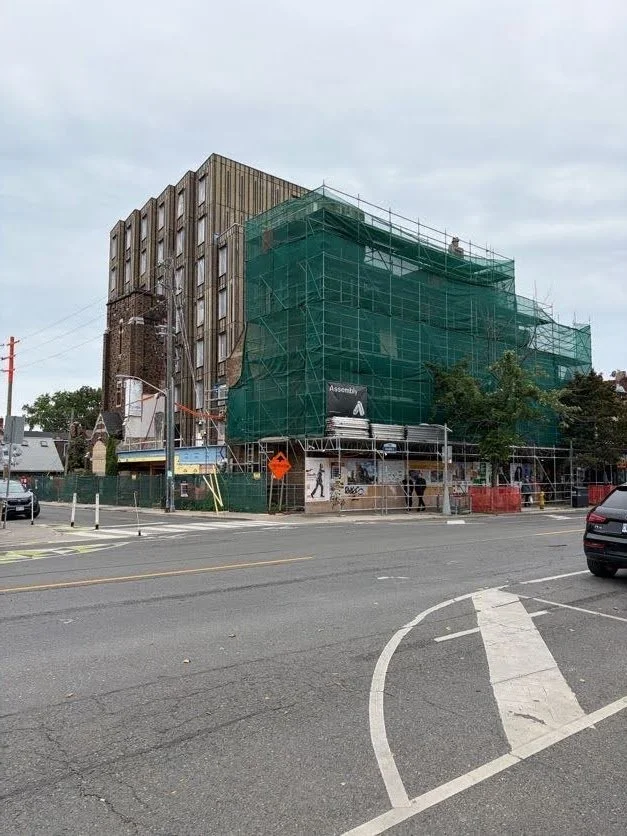
Toronto-Danforth is changing. The next councillor will have a role in planning decisions, development approvals, City-owned land and the use of community benefits, but won't control every aspect of housing policy.
What would they actually do? Who would that housing serve? Where should it go? And what needs to come with it?
-
Would you support as-of-right multiplexes, laneway suites and other forms of missing-middle housing in Toronto-Danforth, and what would you do to make approvals and implementation work more effectively?
-
What specific steps would you take to increase affordable and family-sized housing in new developments, and how would you make sure new growth contributes to the parks, community facilities, transportation and other infrastructure the neighbourhood needs?
-
What would you do to ensure Toronto-Danforth residents see meaningful affordable housing, public space, community infrastructure and Indigenous-led opportunities as Ookwemin Minising develops?
02 | GETTING AROUND
-
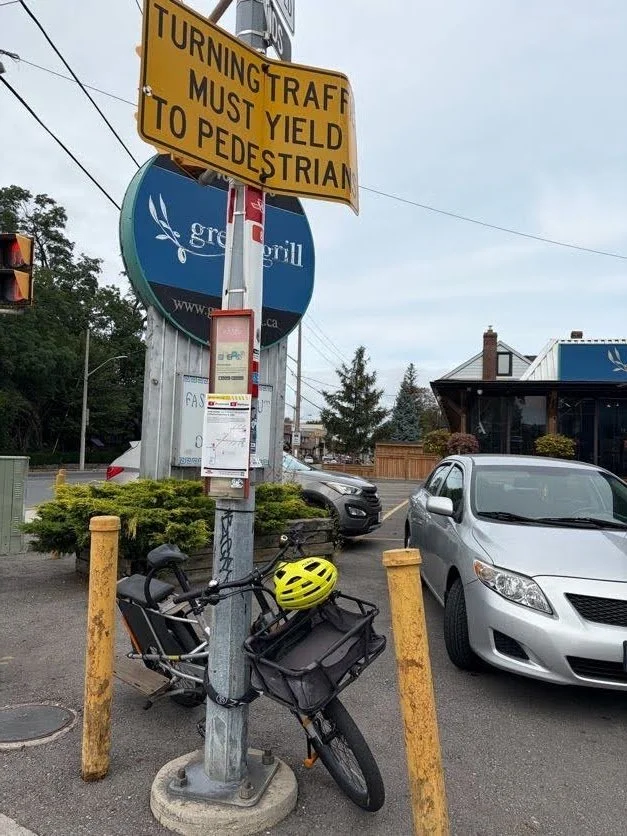
Toronto-Danforth's streets have to do a lot of work. They move people walking, cycling, driving and taking transit. They provide space for deliveries, businesses, parking and emergency access. They are also where people live, shop, socialize and get to school.
The next councillor will have influence over street design, local transportation priorities, pedestrian infrastructure and cycling projects, while working with the TTC and other partners on transit.
The question isn't simply which mode a candidate supports. It's how they would decide what our limited street space should do, and whether those decisions make it easier and safer for people to get where they need to go.
-
What specific cycling connections or safety improvements would you prioritize during your term, and how would you decide which gaps should be addressed first?
-
Would you revisit the design of Jones Avenue to improve protection for people cycling and accessibility for people walking and using transit? If so, how would you approach the trade-off between additional protection and on-street parking?
-
What specific changes would you pursue to make sidewalks, crossings, transit stops, cycling infrastructure and public spaces easier and safer to use for people with disabilities, seniors, children and people using mobility devices?
03 | DOES THE CITY WORK?
-
Municipal government is often experienced through the things residents encounter every day. A pothole, a flooded street, an uncleared sidewalk, a broken garbage bin or a dark park can matter as much to someone's quality of life as a much larger City project.
The City is responsible for maintaining much of this infrastructure and delivering these services, but a councillor doesn't personally run the crews or departments that do the work.
-
What specific roads, sidewalks, parks or other neighbourhood infrastructure in Toronto-Danforth would you prioritize for repair or renewal, and how would you make sure preventative maintenance keeps those investments from deteriorating again?
-
What would you do to improve stormwater management and preventative maintenance in Toronto-Danforth as extreme rainfall becomes more frequent, and are there specific areas of the ward where you would prioritize action?
-
What changes would you make to improve the City's response to recurring neighbourhood service problems, and how would your office help residents when a 311 request doesn't actually solve the problem?
04 | CLIMATE, ENVIRONMENT & RESILIENCE
-
Toronto has already adopted a plan for 2026–2030 to advance its goal of reaching net-zero greenhouse gas emissions community-wide by 2040. The plan focuses on major sources of emissions, including buildings and transportation, while also addressing climate resilience and equity.
But climate policy isn't abstract in Toronto-Danforth.
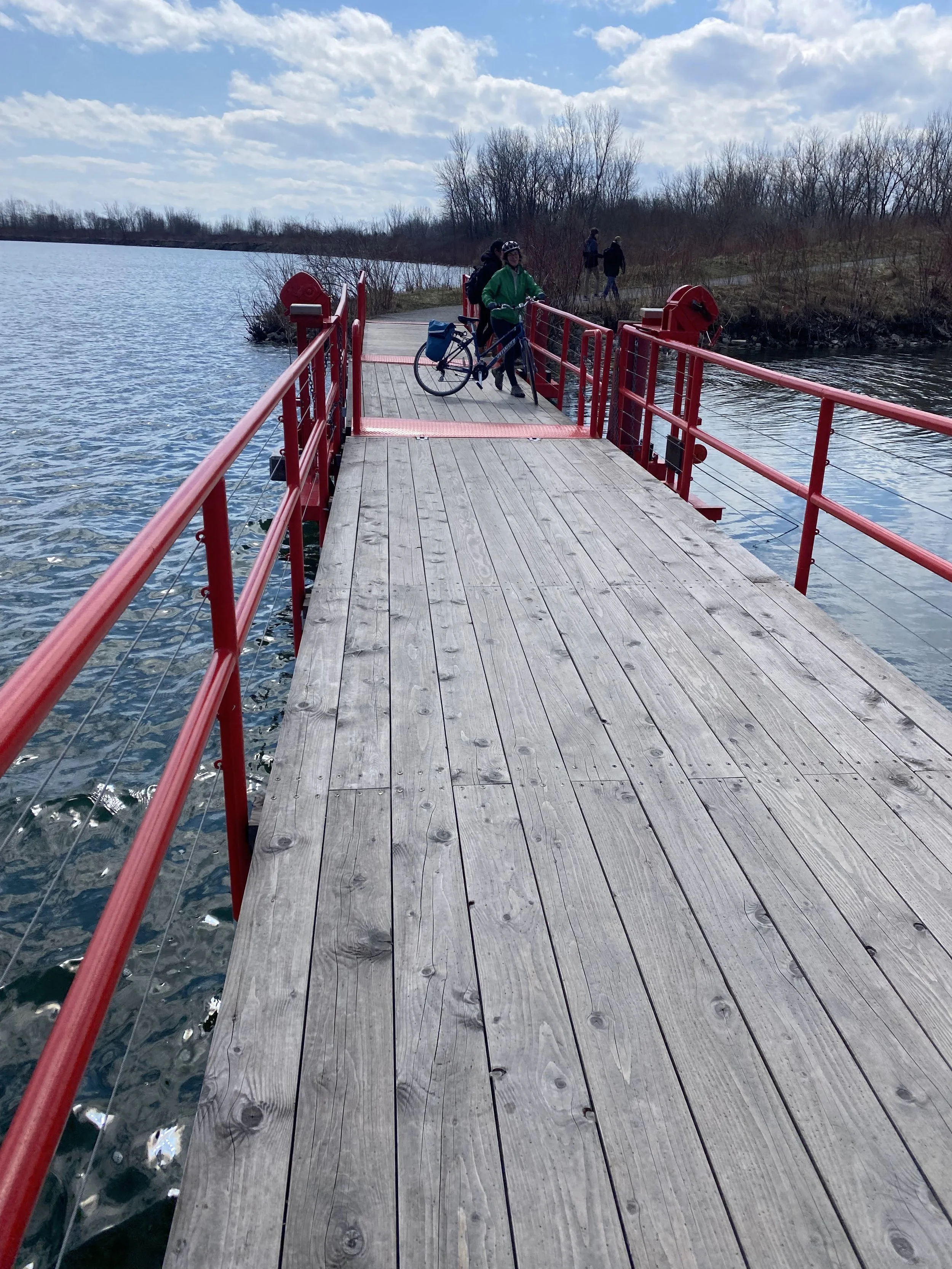
We live alongside the Don River. The Port Lands flood protection project has transformed the mouth of the Don and created Ookwemin Minising, a new island surrounded by wetlands and a naturalized river. The flood protection work was designed to protect hundreds of hectares of land from flooding while creating new parks, habitat and future neighbourhoods.
-
Which TransformTO actions do you believe should be a priority in Toronto-Danforth during your term, and what specific steps would you take to advance them?
-
How would you build on this investment to strengthen Toronto-Danforth's relationship with the Don River, protect the valley and improve the neighbourhood's resilience to flooding, extreme heat and other climate impacts?
Waterfront Toronto: Don Mouth Naturalization & Port Lands Flood Protection
-
What would you expect from the development of Ookwemin Minising to ensure it becomes a climate-resilient, low-carbon neighbourhood with meaningful access to parks, natural areas and sustainable transportation?
05 | MAJOR CONSTRUCTION
-
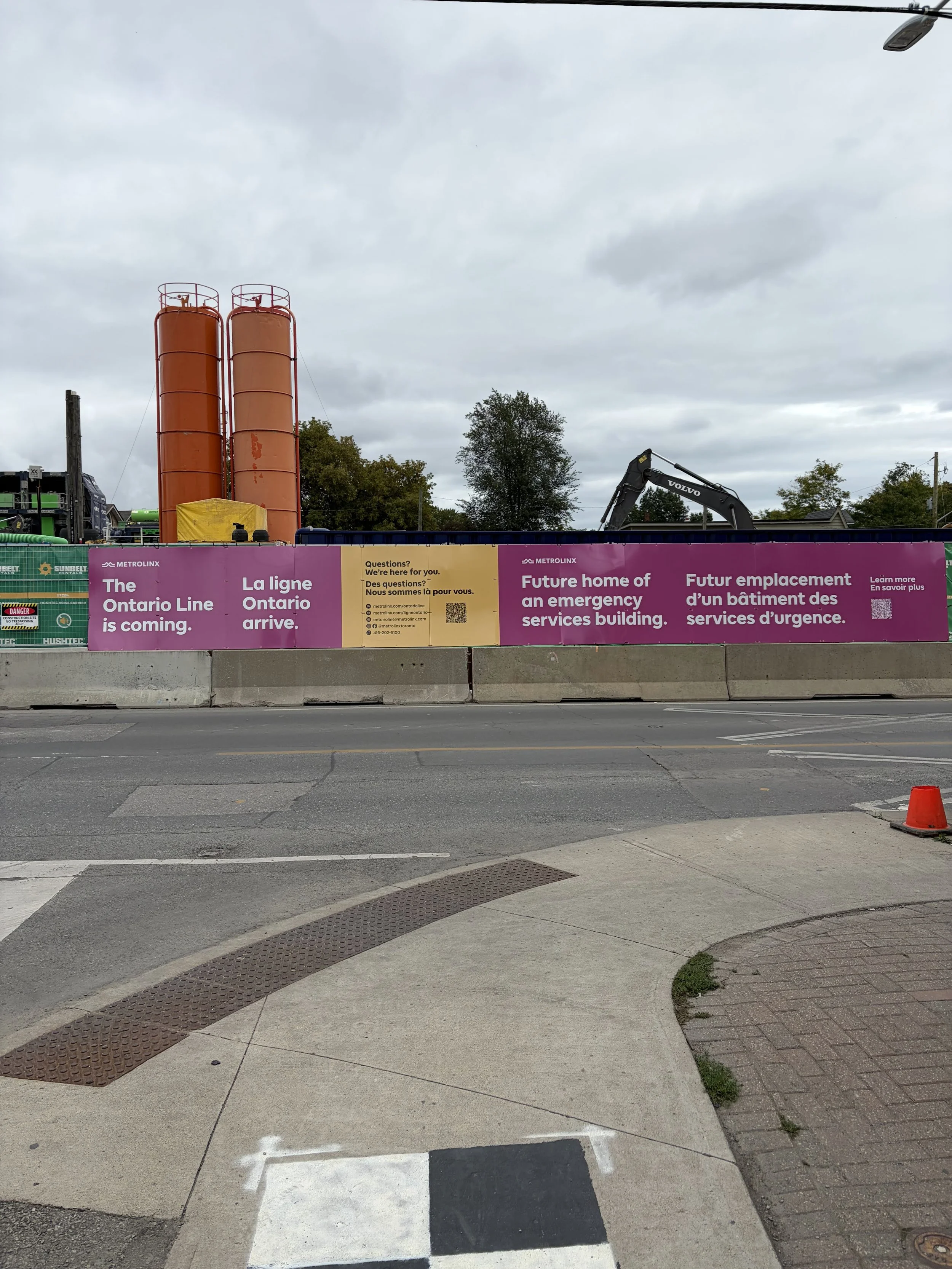
A councillor cannot stop the Ontario Line. But they can influence City decisions, advocate to Metrolinx, coordinate with City staff, press for mitigation, support affected businesses and residents, and make sure commitments don't disappear once construction gets underway.
-
What specific standards would you expect Metrolinx and its contractors to meet for noise, dust, traffic, pedestrian access, cleanliness and construction-related safety, and what would you do when those standards aren't being met?
-
What specific measures would you pursue to help businesses affected by Ontario Line construction remain viable, and how would you measure whether those measures are actually working?
-
What role should your constituency office play in representing residents and businesses affected by major construction, and how will you make sure community concerns lead to action rather than simply being recorded at another meeting?
06 | LOCAL BUSINESS & MAIN STREETS
-
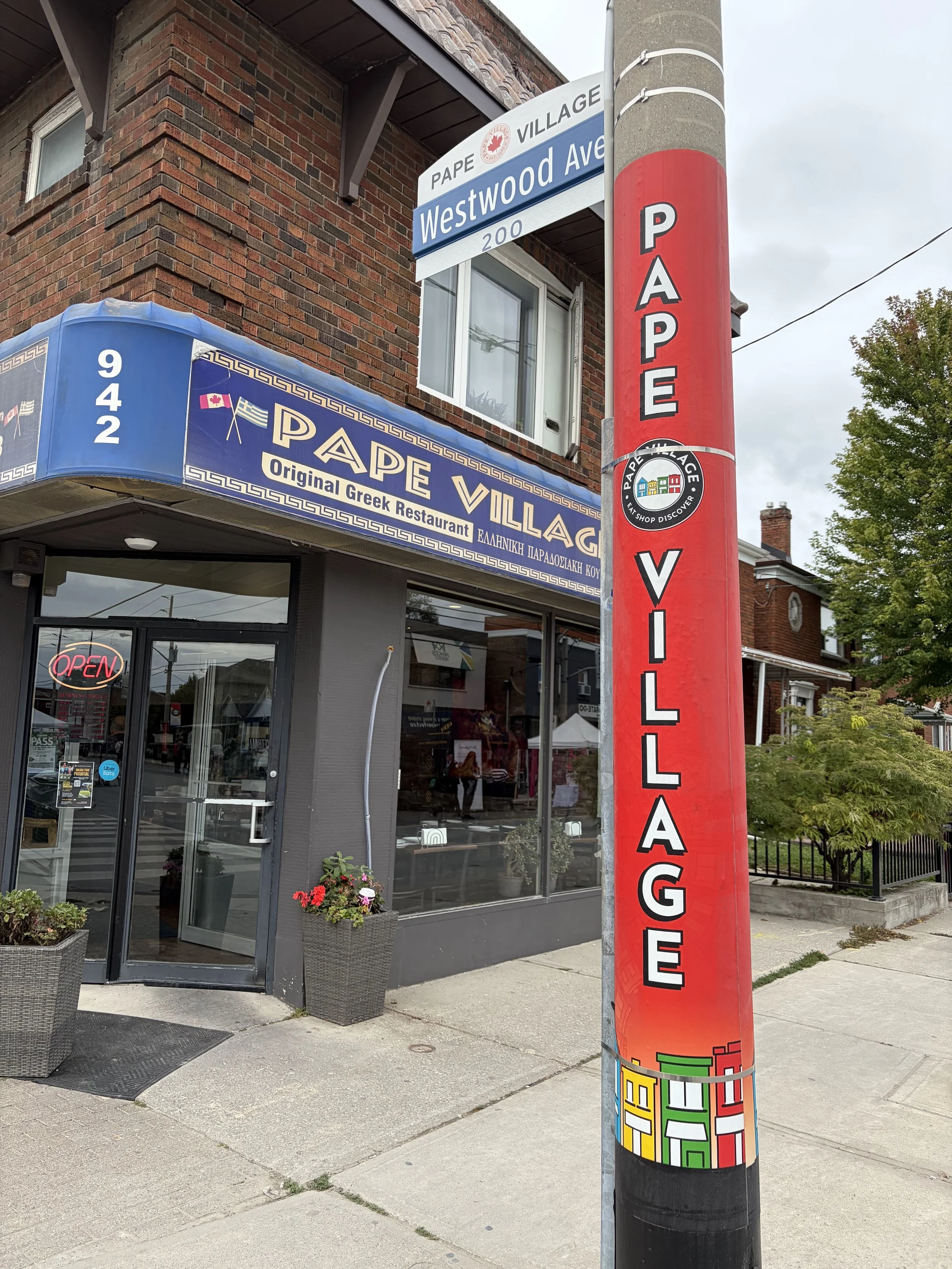
Toronto-Danforth is more than Danforth Avenue. Danforth, Pape, Carlaw, Gerrard, Queen and Broadview are all important parts of how people move through, shop in and experience the ward. Danforth is a major subway hub, while buses and streetcars connect the neighbourhood along the other corridors. Together, these streets are also home to restaurants, shops, services, cafés, cultural spaces and other businesses that help make the neighbourhood work.
Those businesses face a range of pressures, from commercial rents and redevelopment to construction, vacancies, accessibility and changing customer patterns. The City has tools to influence some of these conditions through planning, economic development, BIAs, streetscape investments and construction mitigation, even though it does not control commercial rents or every factor affecting a business.
Toronto's own planning work on Danforth Avenue has examined how the City can support independent businesses and improve the public realm.
-
What specific steps would you take to reduce long-term commercial vacancies in Toronto-Danforth and make it easier for independent businesses to open, remain and grow here?
-
Beyond simply communicating construction schedules, what would you do to help businesses survive major construction, and what should a councillor demand from the City, Metrolinx and other project partners when businesses are being seriously affected?
-
As Toronto-Danforth grows and redevelops, what would you do to protect and strengthen the mix of independent shops, restaurants, services, cultural spaces and community businesses that give our main streets their character?
City of Toronto: Danforth Avenue Complete Street and Planning Study
07 | HOUSING INSECURITY, HOMELESSNESS & COMMUNITY SAFETY
-
Housing insecurity, homelessness, mental health, substance use and community safety can intersect in ways that are visible in our streets, parks and public spaces.
Toronto has invested in outreach, housing supports, community crisis response and harm reduction, but many of those systems are under pressure and some involve responsibilities shared with the Province and other partners. Toronto Public Health continues to provide harm-reduction supplies, outreach, counselling and substance-use treatment, while the Toronto Community Crisis Service provides non-police crisis intervention, case management, referrals and harm-reduction support.
Harm Reduction & Substance Use Information for Health Professionals
-
What specific steps would you take as councillor to expand access to harm reduction, substance-use treatment and wraparound supports in Toronto-Danforth, particularly as provincial policy and funding change?
-
Would you support expanding community-based crisis response in Toronto-Danforth, and what would you do to make sure people experiencing mental-health or substance-use crises can reach the appropriate health or social service before a crisis becomes a police or emergency-room response?
-
What would you do to improve safety around parks, streets and community spaces while ensuring that people experiencing homelessness or substance-use challenges are connected to treatment, housing and support rather than simply displaced?
08 | FAMILIES, YOUTH & COMMUNITY INFRASTRUCTURE
-
Families experience their neighbourhood as a connected community, not as a collection of government jurisdictions. Schools, libraries, recreation programs, childcare and EarlyON centres, food programs, community organizations and public spaces all contribute to whether families can thrive.
A city councillor does not control class sizes, school staffing or the curriculum. But they can work with local school trustees and school boards, support City programs and facilities, advocate to other levels of government, and help connect the people and organizations already doing this work.
-
How would you work with Toronto-Danforth's school trustee and local school boards to address neighbourhood needs affecting students and families, and what role do you believe the City should play in supporting them?
-
What would you do to strengthen year-round access to food, recreation, childcare, youth programming and other supports for families, particularly when schools are closed?
-
What specific spaces, programs or changes would you pursue to give teenagers more opportunities to gather, socialize and participate in community life in Toronto-Danforth?
9 | EQUITY, RECONCILIATION & REPRESENTATION
-
Toronto has already made formal commitments to reconciliation, equity and confronting anti-Black racism. The City's Reconciliation Action Plan runs through 2032, while work is underway on a renewed 10-year Action Plan to Confront Anti-Black Racism. These commitments cover everything from civic participation and economic opportunity to public services, community safety, placemaking and the relationship between the City and communities that have experienced systemic discrimination.
For Toronto-Danforth, this isn't only about recognizing histories or adding names to buildings and streets. It can affect housing, public space, economic development, community services, policing, food security, cultural programming and who gets to participate in decisions about the neighbourhood.
-
What specific actions would you take in Toronto-Danforth to advance reconciliation beyond Indigenous naming, art and historical recognition, and how would you work with First Nations, Inuit and Métis communities to determine what those actions should be?
-
What would you do as a Ward 14 councillor to advance the City's work on confronting anti-Black racism, and how would you ensure that Black residents and organizations in Toronto-Danforth have a meaningful role in shaping those priorities?
-
When the City makes decisions about housing, transportation, parks, community services or public space in Toronto-Danforth, how will you make sure the people most affected by those decisions have a meaningful role in shaping them?
10 | PARKS & PUBLIC SPACE
-
Parks and public spaces are some of the few places in a city where people can spend time without having to buy something. They are places to play, exercise, gather, socialize, cool down, walk, connect with nature and simply be outside.
Toronto-Danforth has a wide range of these spaces, from neighbourhood parks and playgrounds to the ravines, the Don Valley and the emerging Ookwemin Minising waterfront. They serve very different needs and often have competing demands placed on them.
The next councillor will have influence over parks investment, recreation programming, public-space design and maintenance, while working with City staff and community partners.
-
What changes would you make to Toronto-Danforth's parks and public spaces to give children, teenagers, seniors, people with disabilities and other residents more opportunities to gather, socialize and participate without having to pay for access?
-
What specific accessibility improvements would you prioritize in Toronto-Danforth's parks and public spaces, and how would you make sure accessibility is considered at the beginning of a project rather than added afterward?
-
How would you protect and expand Toronto-Danforth's trees, natural areas and green infrastructure while making parks more resilient to extreme heat, heavy rainfall and other climate impacts?
11 | DEMOCRACY & CONSTITUENCY SERVICE
-
A councillor has two very different jobs. One is representing the ward at City Hall, making decisions about budgets, bylaws, planning, transportation and City services.
The other is representing residents back to City Hall, helping people navigate municipal government, responding to concerns and making sure residents have meaningful opportunities to influence decisions that affect their neighbourhood.
Toronto's municipal government also has formal tools for public participation, including public deputations, consultations and participatory processes. But participation can be difficult for people who work irregular hours, care for children, have disabilities, face language barriers or simply don't know how City Hall works.
A healthy local democracy requires more than asking residents for their opinion once every four years.
-
How will residents be able to reach you and your staff when they need help, and would you establish a dedicated, accessible constituency office in Toronto-Danforth where residents can meet with their councillor without having to travel to City Hall?
-
How would you change the way your office engages residents so that people who don't normally attend public meetings, including renters, young people, seniors, people with disabilities, newcomers and people working non-traditional hours, have meaningful opportunities to shape decisions in Toronto Danforth?
-
What three to five measurable priorities would you commit to for your four-year term, and how would you publicly report on your progress so residents can judge your record before the next election?
12 | PAYING FOR THE CITY & WORKING ACROSS GOVERNMENTS
-
Toronto's councillors make decisions about one of the largest municipal budgets in Canada, but the City operates within significant financial constraints. Property taxes are an important source of revenue, but they do not automatically increase with inflation or the rising cost of delivering services.
At the same time, many issues residents care about cross municipal boundaries. Housing, transit, infrastructure, climate action, health, homelessness and major construction can involve the City, the Province and the federal government.
-
What is your approach to balancing property-tax increases with the need to maintain and improve City services, and how would you explain those trade-offs to residents?
-
When an issue affecting Toronto-Danforth falls between municipal, provincial and federal responsibilities, how would you decide what the City should pay for, what it should advocate for and what it should expect other governments to fund?
-
Tell us about one significant thing you would want to accomplish in Toronto-Danforth that requires cooperation from another level of government. What would you do to build that relationship and what would success look like by the end of your term?